
by Reconnect Audiology Network | Aug 18, 2022 | Hearing Health
Studies on hearing loss say that women place an enormous amount of importance on communication. Most relationships rely on good communication to lend strength to understanding one another, experiencing empathy, and feeling socially connected.
It follows that when women experience hearing loss, they are more likely to seek out help at an early stage in the condition. Early intervention with hearing loss is important for everyone. Identifying the cause of hearing loss can lead to medical or rehabilitative solutions that may halt or slow down the progression of loss. Moreover, because the brain’s ability to recognize acoustic patterns deteriorates in the presence of hearing loss, doing something about one’s hearing problem preserves central skills much more effectively than intervening at a later stage.
A common myth about hearing loss is that one should wait until the problem causes a person not to cope in all environments. However, all professional audiologists consistently advise that hearing loss should be managed as early as possible. Women have it right – act early, and maintain your connection to your world, which will result in a better long-term outcome for your brain.

by Reconnect Audiology Network | Aug 10, 2022 | Hearing Health
Sudden sensorineural hearing loss can happen to woman and men!
Certain conditions, such as autoimmune disorders which are more common in woman, can make woman more vulnerable to this type of hearing problem, commonly caused by a viral infection, but sometimes caused by other factors, such as vascular problems.
What would you experience? Your hearing is normal one day, and the next day it’s not! Suddenly, you can’t hear out of one ear (or more rarely, both). You may also hear ringing in your ear, feel dizzy or experience or a feeling of fullness in you ear. THIS A MEDICAL EMERGENCY!
Seeing an ENT specialist and audiologist for a measurement of the hearing loss, as soon as possible, is essential. Timeous treatment, usually with steroids, can reduce the inflammatory process, and prevent further hearing loss, or help some of the existing hearing loss to recover.
Your hearing is too important to wait and see if it gets better on its own!
Author: Reconnect Audiology Network member, Mandy Paterson.

by Reconnect Audiology Network | Jul 30, 2022 | Hearing Health
Otosclerosis is a middle ear bone condition that affects double the number of women than men, is present in certain genetic groups more than others, and usually begins somewhere between the ages of 15 and 45. It can begin shortly after pregnancy and is thought to be of greater risk in women because of certain hormonal triggers. Often, women in the same family will report the same problem.
The symptoms are usually a gradually poorer hearing, often on only one ear. Otosclerosis increases the mass of the middle ear bones, making them heavier and taking more sound energy to move them. While otosclerosis is a middle ear condition, it can sometimes invade the inner ear, causing damage to the cells of the cochlea that receive high-pitched sounds.
The good news is, both surgical intervention and hearing aids are usually very helpful in this condition, so visiting your audiologist is important. It is particularly important to have your hearing tested when your ears are not the same, as several different problems should be differentiated to ensure you hearing health can be well managed. Early intervention with uneven hearing loss is vital.
by Reconnect Audiology Network | Jul 30, 2022 | Hearing Health
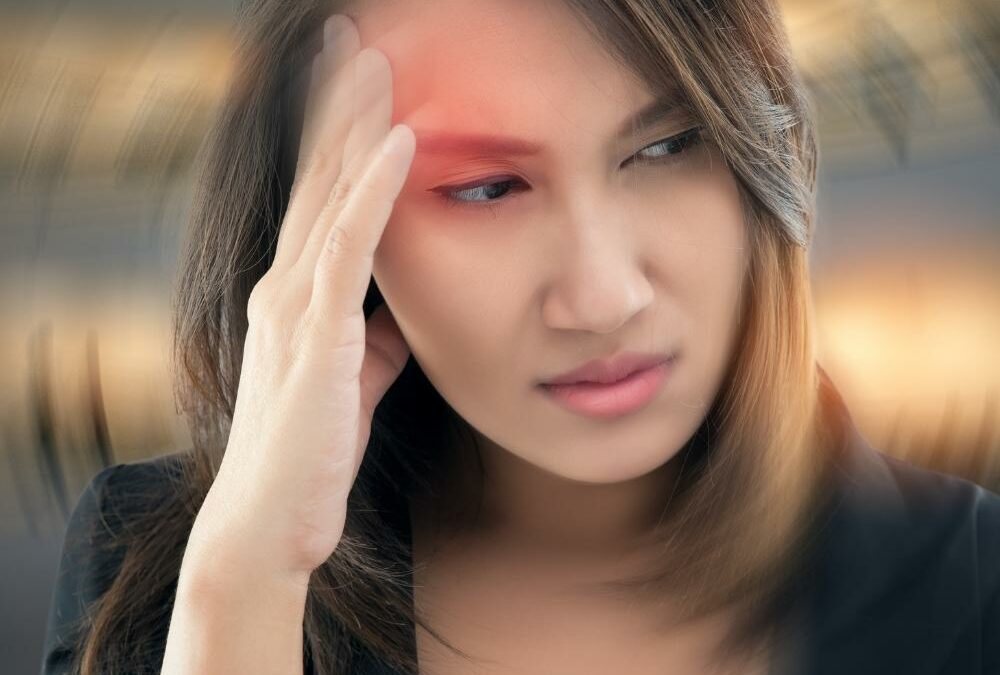
Benign paroxysmal positional vertigo (BPPV) is one of the most common causes of vertigo and results in brief spinning sensations, triggered by certain head movements. BPPV is an inner ear disorder whereby otoconia (commonly known as “crystals”) become dislodged and move into the semi-circular canals of the inner ear.
Although BPPV is often considered to be idiopathic (meaning there is no known cause), it commonly occurs more frequently in women, particularly over the age of 50 years old. This is seen to be due hormonal fluctuations during menopause which results in neurochemical changes and disturbs the metabolism in the inner ear.
Vestibular audiologists are well-trained to perform specific treatment manoeuvres to reposition the otoconia within the inner ear, and together with medical management from endocrinologists and gynaecologists, the symptoms and recurrence of BPPV in women can be significantly reduced.

by Reconnect Audiology Network | Mar 3, 2021 | Hearing Health, Tips
This is the podcast made by Elana Afrika, Natalie Buttress, Bronwyn Dekker, specifically for World Hearing Day 2021. This year the global call for action is to address hearing loss and ear diseases across the life course. Hearing care for ALL.
Thank you once again for recording with Elana Afrika-Bredenkamp for Parent + Baby Brunch on Baby Brunch the Parenting series podcast.
https://www.babybrunch.co.za/podcast
Here is the direct link:
Facebook:/babybrunchsa
Instagram: @babybrunchsa
Twitter: @BabyBrunchSA
Handle: @BabyBrunchSA

by Reconnect Audiology Network | Oct 5, 2020 | Hearing Health
Lara Toni Benigson / Natanya Lee Ruso (Berry) –
Nobody else can hear it – the tinnitus – but you hear it all the time. It’s a ringing, buzzing, clicking, roaring or humming noise playing in your ears, and it’s exasperating. Some people hear it in one ear and others hear it in both. People with severe tinnitus may have problems hearing, working, communicating, or sleeping.
Fortunately, the ringing in your ears can be managed.
Where does the ringing come from?
The sounds you hear when you have tinnitus are generated by your brain. Tinnitus can be caused by a variety of factors, some of which you can’t control, such as simply aging. Most people who suffer from tinnitus have some form of hearing loss. And when you have hearing loss, your brain sometimes overcompensates by creating its own background noise, so to speak.
Tinnitus has also been associated with ear infections, earwax and sensory nerve disorders. Stress, high blood pressure and even alcohol could potentially also set off tinnitus. Most often, though, tinnitus is caused by repeated exposure to excessively loud noise.
Some forms of tinnitus can also be related to muscle movements near the ear, or problems with blood flow in the face or neck. On its own, however, tinnitus is not a sign of a serious medical problem.
How to stop the ringing…
If you suspect that you have some form of tinnitus, the first step is to undergo a professional evaluation. Tinnitus is not a disease — it is a symptom. It is an indication that something is possibly wrong with your auditory (hearing) system. A full diagnostic audiological tinnitus assessment will be able to determine where the dysfunction is. The assessment involves objective testing looking at outer, middle, and inner ear functioning. There are a variety of different conditions that can cause tinnitus and a thorough assessment will be able to determine the cause.
The goal of treatment / management is to help you manage your perception and reaction of the sound in your head. There are many treatments available that can help reduce the perceived intensity of tinnitus, as well as its presence, such as:
- Hearing aids
- Sound-masking devices
- Behavioural therapy
- Tinnitus Retraining Therapy
- Antidepressants and anti-anxiety drugs
- Treating dysfunctions and obstructions
- Exercise
- Mindfulness-based stress reduction
- DIY mindfulness meditation
